Weekend Reading #348
This is the three-hundredth-and-forty-eighth weekly edition of our newsletter, Weekend Reading, sent out on Saturday 24th January 2026.
To receive a copy each week directly into your inbox, sign up here.
*****
What we're thinking.
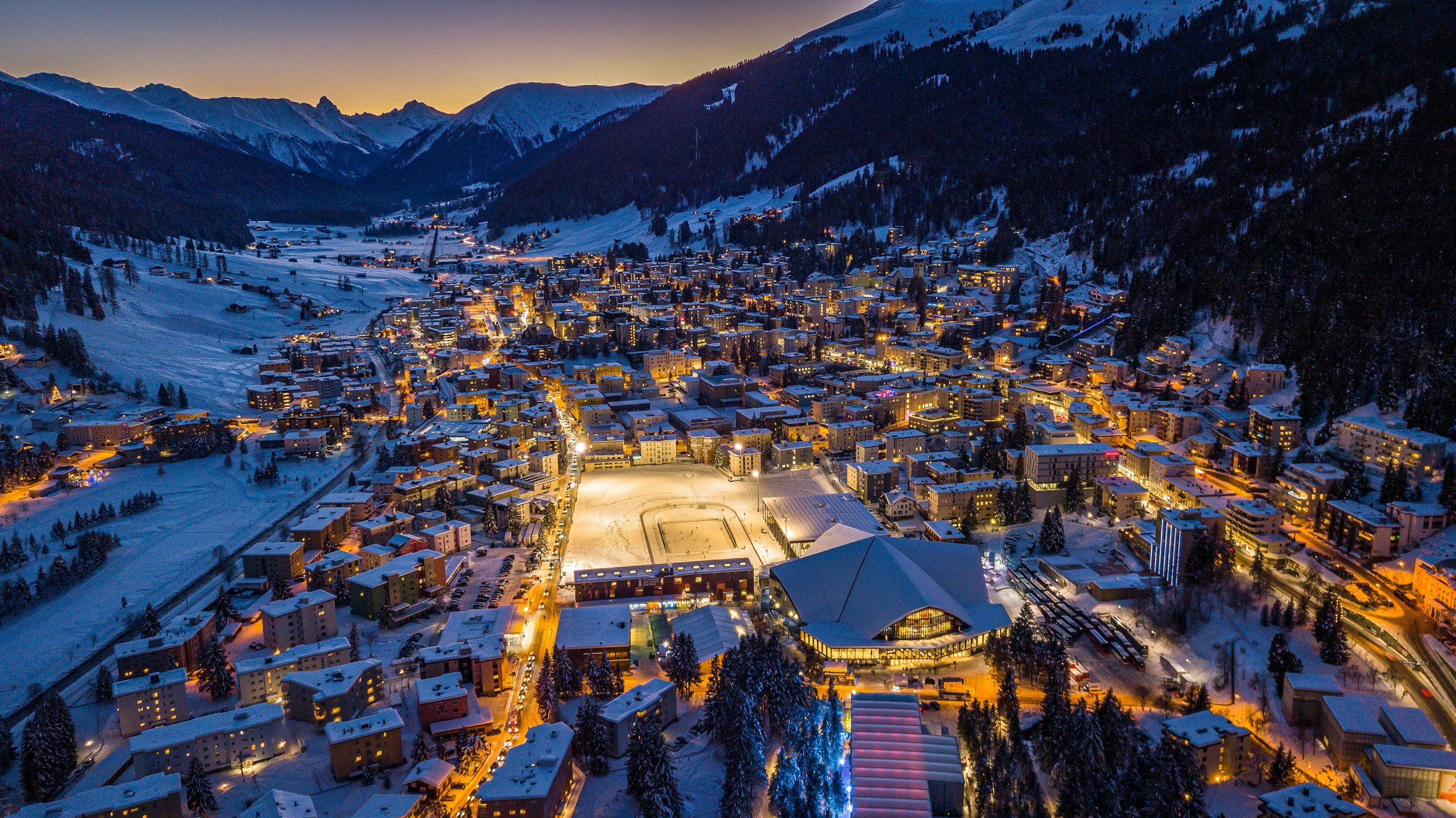
What an absolute clown show this week at Davos. The European leaders outdoing themselves to pretend they were making a stand against Trump to virtue signal to each other and to the old media they were brave. And then the self-same leaders and media talking about how wonderful Canadian leader, Mark Carney's speech was. Except here is the thing. Words are performative. The problem these people have is that for decades words were what mattered. But in reality, what matters is raw power. And Donald Trump may not be the most articulate orator (albeit with great comedic timing) but what he has in abundance is power. He knew what outcome he was looking for, and he made everyone look utterly powerless this week. There was much talk of whether Trump TACOed again (Trump Always Chickens Out apparently) but how is it a TACO if you get what you want? Markets whipsawed a bit apparently because of Greenland but our view is that while Greenland was the trigger, it exposed fault lines beneath the surface of the market which have been brewing for a while (since late November at least). We are still of the view that something isn't quite right with markets and hence we are rather cautious in where we are allocating our risk and how we are positioned. One new idea which isn't ours and we have seen thrown around by a few people this week is that of strategic assets. Gold, Silver, Copper etc are being touted as strategic assets that governments want to own. Jawad Mian of Stray Reflections this week wrote of his view that oil is a strategic asset which the market has not yet priced accordingly. Our view is somewhat similar. Make no mistake, structurally oil is dead. But so is Platinum and look what happened there. Movements of air carriers to the MIddle East suggest Trump is not messing around either with Iran as his next stage to demonstrate US power. Perhaps oil is the next rotating bubble in commodities. Who knows? The setup is there, it just needs a spark.
What we're reading.
One of the difficulties of analyzing the current state of geopolitics for me has been the constant tug of war between what seems good for a nation and what is the more appropriate human, or moral behaviour. In the end there are so many factors involved and this off-the-cuff blog is not the place for a deep discussion. This is a very good article written about the mentality and views of Stephen Miller, President Trump's close advisor. It is entitled "Stephen Miller channels Hans Morgenthau". His outlook is one of hard realism and pragmatism which doesn't leave much room for the soft stuff. Whether you agree or not with this view, this article covers all the sensitive issues with some pretty finite conclusions. DC
An interesting piece popped up on our news feeds this week about a UK-Indonesia Strategic Partnership which laid out some pretty ambitious plans around trade, investment, climate, energy, defence and social policy – it’s a long list of things that the UK and Indonesia have agreed to work on together and certainly makes for good PR, but to be honest one can only wonder if Indonesia is the one actually contributing more value to this proposed partnership. At risk of being too cynical, it seems that while the tie-up with the UK seems to bring credibility and brand value (whatever is left of the UK’s brand) to the table, most of the heavy lifting in terms of industrial and economic drivers seem to be coming from the Indonesian side. Would be interesting to see what comes of this.
On that same note, Indonesian president Prabowo presented a new concept of “Prabowonomics” at Davos this week, framing Indonesia as a stable “land of opportunity” combining fiscal discipline, social protection and active industrial policy. Not short on ambition, it pretty much toes the middle line of being “liberally socialist”, with a huge focus on growth, industrialisation and economic development (including investor protections), while pushing angles on income redistribution to combat poverty and corruption. While that makes for a nice warm and fuzzy narrative, behind the scenes the country is working hard and fast to build up not just soft power but hard economic security, deploying its national coffers to acquire energy and mining assets all around the world – from Southeast Asia to the Middle East and Africa. Always nice to talk about doing things and soft power, but actions speak louder about how much more important it is to be securing ownership and control of key resources critical for their economy’s growth and stability. EL
What we're watching.
Recently I've been thinking I would very much like to study what they call the classics. Or also known as the great books. What are these great books? Well, they start with Homer and the like and if you like can include Plato and all the way up to the Russian classics. To be honest what triggered me was first Dominic Cummings' excellent newsletters summarizing his views from some of them and Christopher Nolan's upcoming "The Odyssey" movie. I thought I better get it done before that comes otherwise I will lack major context for the film. But here's the problem. It's helluva boring for someone like me to wade through all these longwinded classic texts. I started with The Illiad and I tried reading - fail. I tried an audiobook while walking and running - fail. So, imagine my surprise when I opened up one of my recent favourites - Predictive History on Youtube, which I've written about here before and Prof Jiang is starting a brand new lecture series on The Great Books. I watched the first episode which is called The Secrets of the Universe which was preamble into why the Great Books are important and holy cow it was NOT what I expected. He goes deep into the meaning of life and spirituality and materialism and the concept of a soul with some fascinating conclusions (not unlike much of what I have concluded in recent years). And he contends that these Great Books know these secrets and try to tell them to us. This is outstanding! Only problem is I still have to work out how to read the source material without falling asleep. Any advice most welcome. DC